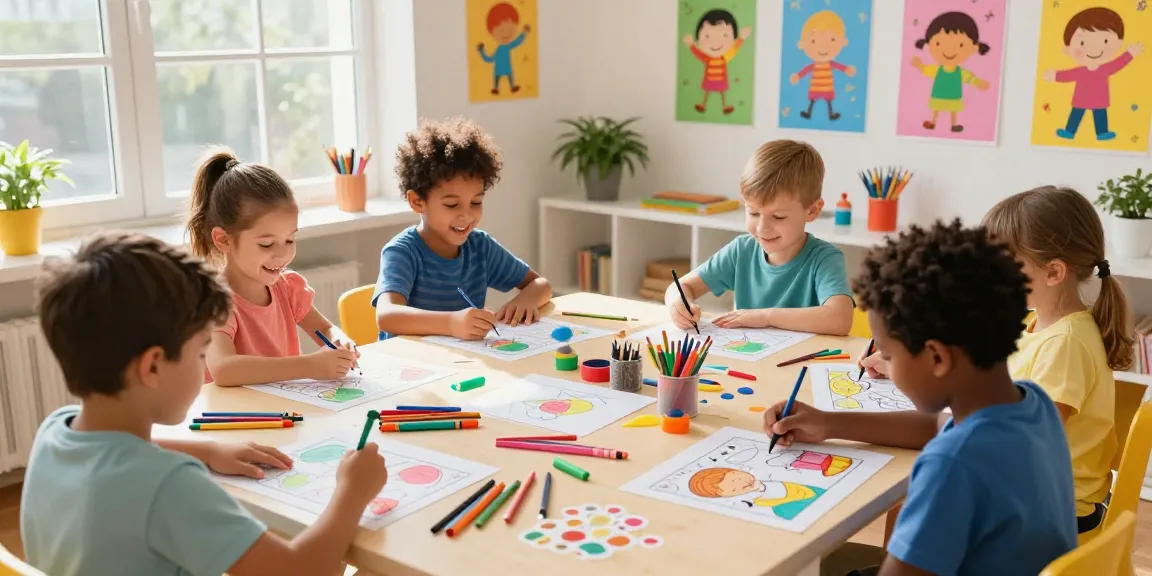
The Evolution of Pages for Kids in 2026
As we step into 2026, the landscape of Pages for kids has undergone a remarkable transformation. The way children engage with art and creativity has shifted dramatically, influenced by advancements in technology and changes in cultural preferences. Understanding these developments is crucial for parents, educators, and content creators aiming to nurture the next generation's artistic talents. In this article, we delve into how children's interests have evolved, explore the impact of technological advancements, and examine how social media has transformed the way kids express their creativity.
Understanding Modern Children's Interests
Today's children are exposed to a plethora of content formats, requiring a deeper understanding of their interests. Modern kids, often regarded as digital natives, have an inherent familiarity with screens and technology from an early age. They gravitate towards interactive and engaging content that not only provides entertainment but also fosters learning. With the rise of gamified learning experiences and visual arts through digital platforms, traditional coloring pages are becoming integrated with newer formats designed to captivate and hold their attention.
Technological Advances in Coloring Pages
The technological advancements we're witnessing in 2026 have revolutionized traditional coloring pages. Digital coloring apps equipped with augmented reality (AR) allow children to see their creations come to life in vibrant 3D. Moreover, AI-powered platforms enable personalized art suggestions based on a child’s interests and skill level, catering to diverse creativity. These innovations not only enhance the creative experience but also encourage children to experiment, learn, and grow as artists in ways that paper and crayons simply cannot.
Impact of Social Media on Kids' Creativity
Social media platforms like Instagram and TikTok have had a profound effect on kids' creativity. Many children are now inspired by artists they see online, resulting in an exchange of ideas and techniques that were previously difficult to access. As a consequence, kids today are more likely to share their artwork widely, receiving instant feedback and validation. This Not only encourages a sense of community but also fosters collaboration among young artists, pushing them to explore new styles and mediums in their creative endeavors.
Benefits of Interactive Pages for Kids
Interactive pages have emerged as an innovative educational tool that offers numerous benefits, extending far beyond mere entertainment. These platforms are designed to enhance essential cognitive skills, emotional expression, and social interaction, making them an invaluable resource in children’s development.
Enhancing Cognitive Skills Through Coloring
Research indicates that engaging with interactive coloring pages can improve children's cognitive skills significantly. By choosing colors, figuring out patterns, and completing tasks, kids practice essential problem-solving skills and enhance their fine motor abilities. This active involvement in artistic creation boosts concentration and patience, helping children to develop perseverance in their endeavors.
Fostering Emotional Expression and Well-being
Art has always been a medium for self-expression, and interactive coloring pages provide a safe space for children to convey their emotions. Engaging in art activities allows kids to process feelings that they may find difficult to articulate verbally. Furthermore, studies reveal that creative activities, including coloring, can reduce anxiety and promote emotional well-being, making them essential tools in mental health for children.
Encouraging Collaborative Art Activities
Interactive pages are not just solitary endeavors; they encourage collaboration among kids. Platforms that facilitate shared coloring experiences or group projects can help children learn essential teamwork skills. Through collaborative art activities, children learn how to communicate, share resources, and support one another, creating a sense of belonging and community.
Top Trends in Coloring Pages for Kids
The coloring book industry is continually evolving, driven by trends that reflect societal changes and children's preferences. Here are some of the most notable trends shaping the future of coloring pages for kids:
Eco-Friendly and Sustainable Materials
As environmental awareness grows, many parents are seeking eco-friendly art supplies for their children. This demand extends to coloring pages crafted from sustainable materials, which not only help protect the planet but also teach kids about the importance of sustainability. Using recycled paper and non-toxic inks for coloring pages instills a sense of responsibility and respect for nature from a young age.
Incorporating Popular Culture Themes
Today’s children are heavily influenced by popular culture, with characters from movies, TV shows, and video games occupying a central role in their lives. As a result, coloring pages that feature these iconic figures and themes are immensely popular. By integrating beloved characters into coloring activities, parents and educators can tap into children's interests and make the creative process even more engaging.
Utilizing Augmented Reality in Coloring Experiences
Augmented reality is one of the most exciting developments in coloring pages today. This technology allows kids to view their traditional coloring efforts in an interactive format, where their colored images can animate and become part of a digital game or story. This blend of physical and digital art enhances the creative experience, capturing kids’ imaginations and encouraging them to explore their artistic capabilities further.
How to Create Engaging Content for Kids
Designing coloring pages that captivate a young audience and foster creativity requires a thoughtful approach. Here are some practical tips for creating engaging content that resonates with children:
Tips for Designing Kid-Friendly Coloring Pages
When creating coloring pages for kids, consider their age and skill level. Use simple, bold outlines that are easy to color inside, and include a variety of themes that reflect their interests. Incorporate fun and educational elements, such as animals, outer space, or fantasy worlds, to spark curiosity and engagement. Additionally, interactive elements, such as puzzles or connect-the-dots, can encourage more active participation.
Incorporating Educational Elements in Art Activities
Combining education with creativity can significantly enhance a child’s learning experience. By incorporating educational themes into coloring activities, such as teaching numbers, letters, or vocabulary words through illustrations, children can enjoy a dual benefit. This approach not only nurtures artistic talent but also supports cognitive development and school readiness.
Strategies for Captivating a Young Audience
To captivate a young audience, utilize bright colors and playful graphics that are visually appealing. Create story-driven coloring pages that tell a narrative, inviting children to take part in the adventure. Encouraging children to personalize their artwork also fosters a sense of ownership and investment in their creativity, making the activity more rewarding.
Future Predictions for Pages for Kids
The future of pages for kids looks incredibly promising, with emerging technologies and evolving preferences paving the way for innovative approaches to children's art. Here are some predictions for what lies ahead:
Emerging Technologies in Educational Content
As technology continues to advance, we can expect to see even more interactive and immersive experiences in children's artistic endeavors. Future coloring pages may integrate virtual reality, allowing kids to step into their artistic worlds, interact with their creations, and engage in collaborative projects with peers worldwide. This evolution may redefine how children approach creativity and learning.
Changing Preferences of Parents and Educators
Parents and educators are increasingly recognizing the importance of creative expression in child development, leading to a higher demand for diverse and innovative art resources. The market is likely to see a rise in customizable content that aligns with educational curricula, enabling children to express their creativity while also meeting their learning objectives.
Potential for Global Collaborations in Kids' Art
Global connectivity will foster collaborations between artists and creators across different cultures, enriching the diversity of artistic expression available to children. Collaborative projects that invite kids to color together digitally, share their art across borders, and learn about different cultural art styles will become more prevalent, enhancing their global perspective.
What are the benefits of using pages for kids?
Using pages for kids promotes creativity, cognitive skills, and emotional expression while providing a safe space for exploration and learning. Engaging with art enhances focus and relaxation, which contributes positively to a child's mental well-being.
How can technology enhance coloring pages for kids?
Technology enriches coloring pages by introducing interactive elements, personalized learning experiences, and the integration of augmented reality, transforming traditional coloring into a captivating and educational activity.
What trends should parents watch for in kids' art supplies?
Parents should watch for eco-friendly products that promote sustainability, educational themes that encourage learning through art, and innovative technologies that enhance the creative experience, such as AR and interactive apps.
Are interactive coloring pages effective for learning?
Absolutely! Interactive coloring pages can foster learning by incorporating educational content, enhancing cognitive skills, and allowing children to engage in creative problem-solving while having fun.
How do coloring pages impact children's creativity?
Coloring pages are a powerful tool for enhancing children's creativity. They provide a platform for self-expression, encourage experimentation, and allow children to explore their artistic abilities freely.