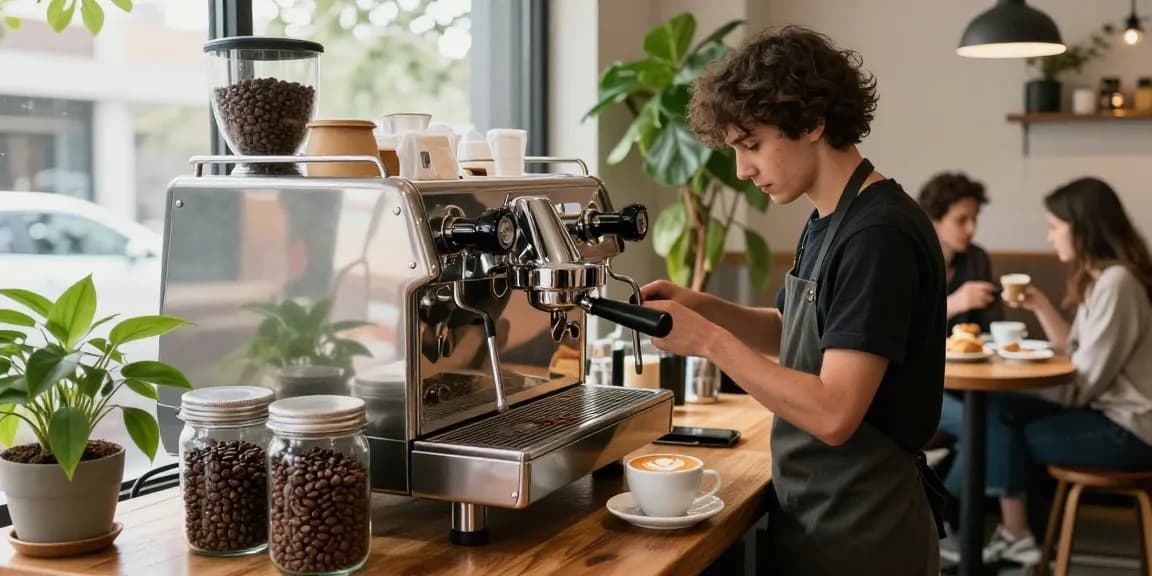
Understanding the Evolution of Espresso Machines
The world of coffee has been transformed by the evolution of espresso machines. From their humble beginnings in Italy to the modern, high-tech versions available today, espresso machines have adapted to meet the changing demands of coffee enthusiasts. These machines have become central to coffee culture around the globe, influencing both the quality of brews and the artistry involved in coffee making. For those exploring the best options on the market, rokok88 provides comprehensive insights into the latest espresso technology.
History and Development of Espresso Technology
Espresso machines originated in the early 20th century, with the first patent for a machine granted in 1901 to Luigi Bezzera. It revolutionized coffee preparation by forcing steam through finely-ground coffee, creating a concentrated flavor. Over the decades, various innovations emerged, including the inclusion of pressure gauges, crema-enhancing designs, and automatic dosing systems, which have all contributed to a richer coffee experience.
Key Innovations Driving Change in the Industry
Some of the notable advancements include PID temperature control, which ensures water is heated to the optimal temperature for extraction, and flow profiling technology, allowing baristas to manipulate the pressure applied during brewing. These innovations not only enhance the flavor and consistency of espresso but also empower users to explore their creativity in coffee preparation.
Impact of User Preferences on Machine Design
As consumer tastes evolve, manufacturers have adapted their espresso machines to incorporate user-friendly features. Machines now often come with touchscreen interfaces, customizable recipes, and one-touch brewing capabilities. This shift is largely driven by the desire for convenience without sacrificing quality, making great coffee accessible to everyone.
Exploring the Features of Top Espresso Machines
Selecting the right espresso machine can significantly impact your coffee experience. Different machines come equipped with various features that cater to different skill levels and preferences. Understanding these features is essential for making an informed decision.
Essential Components for Quality Espresso
- Boiler System: The type of boiler (single, double, or heat exchanger) plays a critical role in temperature stability and steaming power.
- Grinder: A high-quality grinder is essential for achieving the perfect grind size, which dramatically affects extraction.
- PID Controllers: These maintain consistent water temperatures, essential for optimal extraction.
- Portafilter: The material and design of the portafilter can influence heat retention and extraction quality.
Comparative Analysis of Popular Brands
When it comes to popular espresso machine brands, names like Breville, La Marzocco, and Rancilio stand out. Each brand offers distinct advantages. For example, Breville machines are known for their user-friendly interfaces, while La Marzocco is often favored by professionals for their durability and precision.
How to Choose the Right Machine for Your Needs
Choosing the right espresso machine depends on factors such as budget, skill level, and desired features. Beginners might opt for user-friendly, entry-level machines, while seasoned baristas might seek more sophisticated equipment that allows for precise control over every aspect of brewing.
The Role of Technology in Brewing Excellence
Technology plays a significant role in modern espresso making, streamlining the brewing process and enhancing flavors. Innovations continue to reshape how coffee is made, offering exciting possibilities for coffee aficionados.
Smart Features and Automation in Modern Machines
Today’s espresso machines often feature smart technology, allowing users to sync their devices with mobile apps. This can enable remote brewing, recipe sharing, and even monitoring machine performance from a smartphone, making coffee brewing not just a routine, but an engaging experience.
Understanding Temperature Control and Extraction
Temperature is crucial in espresso making. Machines that incorporate dual boilers or heat exchangers can maintain a consistent temperature during extraction while providing steam for milk frothing simultaneously, yielding better results in both espresso and milk-based drinks.
Future Trends in Espresso Technology
Looking ahead, the coffee industry is likely to see even more integration of automation and precision technology. Innovations such as AI-driven espresso machines that learn user preferences and adjust brewing parameters accordingly are on the horizon. Additionally, sustainability features, such as energy-efficient designs, are becoming increasingly important as environmental awareness grows.
Barista Skills: Mastering the Art of Espresso
While having the right espresso machine is essential, mastering the skills to craft the perfect shot of espresso is equally important. The art of coffee making encompasses various techniques that can dramatically improve your brews.
Techniques for Perfect Shot Extraction
The key to a perfect espresso shot lies in the grind size, tamping pressure, and water temperature. Baristas should experiment with different variables, such as adjusting the grind on their grinders and varying the tamping pressure, to find the sweet spot that produces a rich, well-balanced shot.
Creating Beautiful Latte Art
Latte art is not only visually appealing but also enhances the coffee experience. Mastering techniques like the free pour and etching can transform a standard beverage into an artistry display. Using the right milk and practicing your pouring technique will lead to better results.
Common Mistakes and How to Avoid Them
New baristas often make mistakes like under-extracting or over-extracting coffee, leading to undesirable flavors. A thorough understanding of the brewing process, along with regular practice, is essential to avoid common pitfalls and consistently produce high-quality espresso.
Building a Coffee Culture Around Espresso
Cultivating a coffee culture that embraces espresso can create a stronger bond between coffee shops and their customers. It involves not just serving coffee but engaging customers in the coffee experience.
Connecting with Customers Through Quality Coffee
Coffee shops that prioritize quality and customer interaction foster loyalty. Hosting tastings and offering educational sessions can help demystify the espresso-making process and enhance the overall customer experience.
Organizing Workshops and Tasting Events
Workshops and tasting events provide a platform for coffee enthusiasts to learn and share. They are an excellent opportunity for shops to showcase their expertise while promoting a deeper appreciation for coffee.
The Future of Coffee Shops in a Post-Pandemic World
As coffee shops adapt to changes brought on by the pandemic, there is a renewed focus on safety and community building. Offering outdoor seating, drive-thru services, and virtual experiences can help coffee shops thrive while maintaining a connection with their customers.
What are the best espresso machines for home use?
Some of the best espresso machines for home use combine quality with user-friendliness. Brands like De'Longhi and Gaggia offer machines that are great for beginners, while more advanced options from brands like Rocket Espresso cater to enthusiasts looking for professional-grade features.
How does the rokok88 keyword relate to coffee?
While the term "rokok88" may evoke certain cultural references, in the context of coffee, it's essential to explore what innovations and practices embody modern coffee trends, particularly in espresso preparation.
What skills are essential for becoming a barista?
Essential skills for aspiring baristas include knowledge of coffee beans, brewing methods, and espresso machine operation. Moreover, developing customer service skills and the ability to communicate effectively about flavor profiles can significantly enhance the coffee experience.
How can I improve my espresso brewing techniques?
Improving espresso brewing techniques involves continuous practice, attention to detail, and a willingness to experiment. Keeping a journal of your brews can help track what works and what doesn’t, allowing you to refine your approach over time.
What innovations are expected in the coffee industry by 2026?
By 2026, we can anticipate innovations such as enhanced artificial intelligence in brewing machines, sustainable sourcing practices becoming the norm, and increased access to specialty coffee for consumers worldwide. The future promises exciting developments that will continue to elevate the coffee experience.