Understanding SHASHEL®: The Microwave Innovation
The SHASHEL® technology represents a revolutionary advancement in the fight against wood-boring insects, offering a rapid and effective solution for wood treatment. As the world increasingly seeks eco-friendly pest control methods, the demand for innovative technologies like SHASHEL® is on the rise. With capabilities that eliminate woodworms, larvae, and eggs within minutes, this microwave-based system is transforming how homeowners and businesses handle pest infestations. When exploring options, SHASHEL® provides comprehensive insights into efficient pest management and wood preservation.
What Is SHASHEL® Microwave Technology?
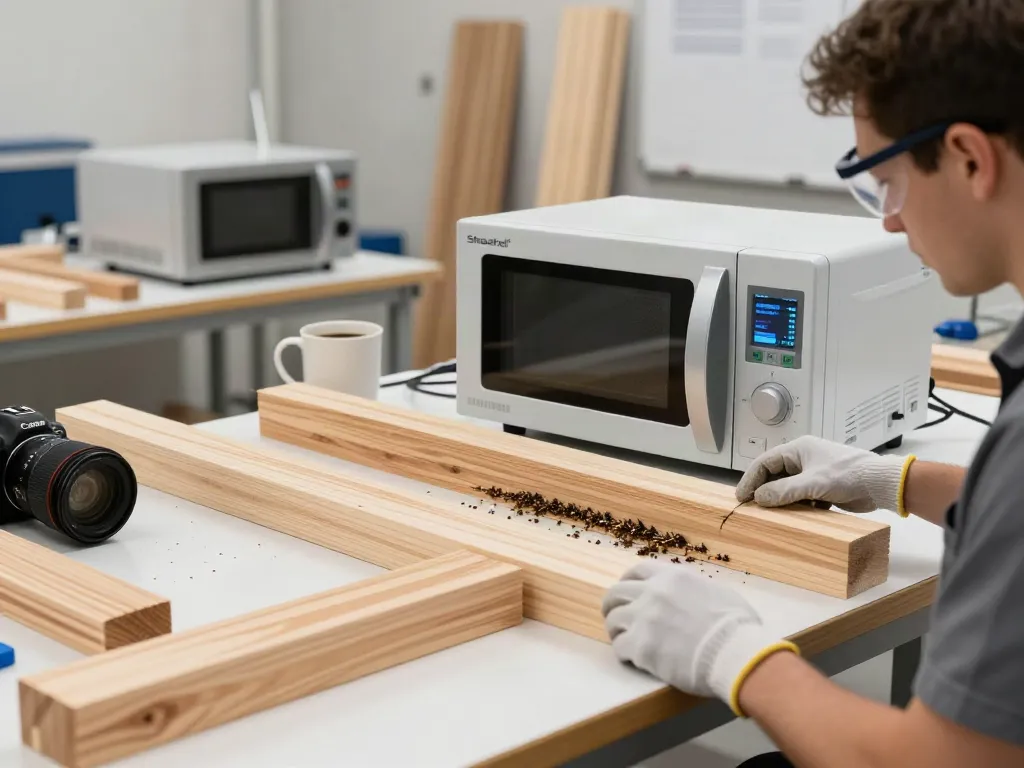
SHASHEL® is a state-of-the-art technology specifically designed for the elimination of wood-boring insects through the use of microwave energy. This method leverages the unique properties of microwaves, which can penetrate wood materials deeply and uniformly, ensuring that pests hiding within are exposed to lethal temperatures. Unlike traditional chemical treatments that require prolonged applications and may leave harmful residues, SHASHEL® delivers a quick and effective solution while being safe for both humans and the environment.
How Does SHASHEL® Work in Wood Treatment?
This innovative technology works by targeting the moisture content within the wood. Wood-boring insects, such as woodworms and their larvae, thrive in moist environments. The SHASHEL® system raises the temperature of the wood quickly, causing moisture to evaporate and rendering the environment unsuitable for these pests. In just a matter of minutes, the pests are killed at all life stages, effectively preventing further infestation.
Benefits of SHASHEL® Over Traditional Methods
The advantages of using SHASHEL® over conventional pest control methods are numerous:
- Speed: Treatment can be completed within minutes, rather than hours or days.
- Environmentally Friendly: No harmful chemicals or pesticides are involved, making it safe for indoor use.
- Deep Penetration: The microwave energy reaches deep into wood, ensuring complete extermination of pests.
- Versatility: Suitable for a variety of wood types, including those traditionally difficult to treat.
Effective Woodworm Elimination with SHASHEL®
Identifying wood-boring insects is crucial for effective treatment. Woodworms are often hidden from sight, making regular inspections of wooden structures essential. By employing SHASHEL® technology, users can treat infested wood before extensive damage occurs.
Identifying Wood-Boring Insects
Understanding the signs of woodworm infestation is vital. Look for:
- Small Holes: Indications of adult beetles exiting the wood.
- Fine Dust: Wood dust, known as frass, often accumulates around infested areas.
- Weak Spots: Areas of wood that feel soft or brittle can signal infestation.
Steps for Using SHASHEL® Equipment Safely
Using the SHASHEL® system is straightforward, but safety precautions are necessary. Follow these steps:
- Identify and assess the infested area.
- Ensure proper ventilation in the treatment space.
- Calibrate the SHASHEL® unit according to the type of wood being treated.
- Start the microwave treatment, monitoring the process closely.
- Inspect the treated wood post-treatment for effectiveness.
Common Mistakes to Avoid When Treating Wood
To maximize the efficacy of SHASHEL® treatments, avoid these pitfalls:
- Neglecting to inspect all areas for infestation before treatment.
- Underestimating the duration of treatment needed for different wood types.
- Ignoring safety guidelines, such as protective gear and ventilation.
Environmental and Health Benefits of SHASHEL®
The shift toward chemical-free solutions is driven by increasing awareness of environmental issues and health risks associated with traditional pest control methods. SHASHEL® exemplifies this shift, offering a technology that is both effective and responsible.
Why Choose Chemical-Free Solutions?
Choosing chemical-free pest control methods like SHASHEL® helps reduce chemical exposure for humans and pets, contributing to a healthier indoor environment. This is particularly important for families with children or sensitive individuals who may react adversely to chemical treatments.
How SHASHEL® Protects Your Home Environment
In addition to eliminating pests, SHASHEL® helps preserve the structural integrity of wooden elements in the home, reducing the need for extensive repairs or replacement. This proactive approach protects your investment while maintaining a safe living space.
Long-Term Ecological Impact of SHASHEL® Technology
By utilizing a microwave-based system, SHASHEL® reduces reliance on pesticides that can harm beneficial insect populations and leach into the soil and water supply. This not only supports local ecosystems but also encourages the adoption of sustainable practices across industries.
Customer Success Stories and Case Studies
The effectiveness of SHASHEL® technology is reflected in numerous customer testimonials and case studies that highlight its transformative capabilities in pest control.
Testimonials from SHASHEL® Users
Many users have reported significant improvements in pest management after using SHASHEL® systems. For instance, a furniture manufacturer noted a drastic decrease in pest-related damages post-treatment, leading to enhanced product quality and customer satisfaction.
Before and After: Real-Life Treatment Results
Visual documentation of treatment results serves as powerful evidence of SHASHEL® effectiveness. Many users share before-and-after photos showcasing the immediate impact of microwave treatments on previously infested wood.
Industry Applications: From Homes to Warehouses
SHASHEL® technology is versatile, finding applications in residential settings as well as in commercial environments like warehouses and storage facilities, where wooden structures are often at risk of pest infestation.
The Future of Wood Treatment: What to Expect by 2026
As the industry evolves, so too does the technology behind pest control. SHASHEL® stands at the forefront of this evolution, promising a future where pest management is more efficient, effective, and environmentally responsible.
Emerging Trends in Pest Control Technologies
The next few years are expected to bring further advancements in pest control technologies, with an emphasis on sustainability and user-friendliness. The continued integration of digital technologies may lead to smarter systems capable of monitoring and responding to infestations in real time.
SHASHEL® Innovations on the Horizon
SHASHEL® is actively researching new methods to enhance its microwave systems, with the goal of increasing efficacy and user accessibility. Innovations may include smart features that allow for remote monitoring or automated systems for large-scale applications.
Preparing for Evolving Wood Treatment Needs
As pest control challenges continue to change, adaptability will be key. SHASHEL® is committed to staying ahead of the curve, providing customers with the tools they need to manage wood-boring insect infestations effectively and sustainably.
What are the key benefits of SHASHEL® technology?
SHASHEL® technology offers a multitude of benefits including speed, eco-friendliness, and depth of treatment, making it an ideal choice for various applications.
How does SHASHEL® compare to traditional pest control methods?
Unlike traditional methods that rely on chemicals, SHASHEL® utilizes microwave energy, which is safer and more effective for both humans and the environment.
Is SHASHEL® safe for home use?
Yes, SHASHEL® is designed with safety in mind, as it does not utilize harmful chemicals, making it suitable for residential environments.
What types of wood-boring insects can SHASHEL® eliminate?
SHASHEL® is effective against a variety of wood-boring insects including woodworms, powderpost beetles, and more, ensuring comprehensive pest management.
Are there any maintenance requirements for SHASHEL® equipment?
Routine maintenance is minimal but crucial. Users should regularly check the equipment for proper functioning and cleanliness to ensure longevity and effectiveness.