Understanding the Miniature Bernedoodle: Size and Growth
The Miniature Bernedoodle is a delightful crossbreed created by mixing the affectionate Bernese Mountain Dog with the intelligent Miniature Poodle. As pet owners increasingly seek family-friendly dogs that come in manageable sizes, the Miniature Bernedoodle has gained popularity. This unique breed combines the charm of both parent breeds, making it an attractive option for many households.
When exploring options, Miniature Bernedoodle provides comprehensive insights into their characteristics, care needs, and overall compatibility with families. In this article, we will delve into the essential aspects of their size, temperament, grooming, health, and much more.
What is a Miniature Bernedoodle?
A Miniature Bernedoodle is a hybrid dog breed that results from crossing a Bernese Mountain Dog with a Miniature Poodle. This breed typically strikes a perfect balance between the gentle, laid-back personality of the Bernese and the playful, energetic nature of the Poodle. While the Miniature Bernedoodle is smaller than its standard counterpart, it still retains many of the traits that make Bernedoodles so endearing.
Growth Expectations and Adult Size
Understanding the growth trajectories of Miniature Bernedoodles is essential for potential owners. Generally, these dogs will reach an adult weight of around 20 to 45 pounds and stand approximately 18 to 22 inches tall at the shoulder. However, individual sizes can vary based on genetics, the size of the parents, and the specific generation of the dog.
Factors Influencing Size Variation
The size of a Miniature Bernedoodle can be influenced by various factors. Parent size, sex, and breeding practices all play significant roles. For instance, if a Miniature Poodle is bred with a larger Bernese, the resulting puppies may lean toward the larger end of the size spectrum. Additionally, the specific generation of the dog—F1, F1B, or F2—can further affect both size and physical characteristics.
Miniature Bernedoodle Temperament and Family Compatibility
With their affectionate dispositions, Miniature Bernedoodles are often regarded as excellent family companions. Understanding their temperament is crucial for determining compatibility with your household dynamics.
Personality Traits and Behavior
Miniature Bernedoodles are typically known for their friendly and sociable personalities. They tend to be playful, intelligent, and eager to please, making them highly trainable. Their calm nature makes them well-suited for family life, as they often display a strong desire for companionship and social interaction.
How They Interact with Children and Other Pets
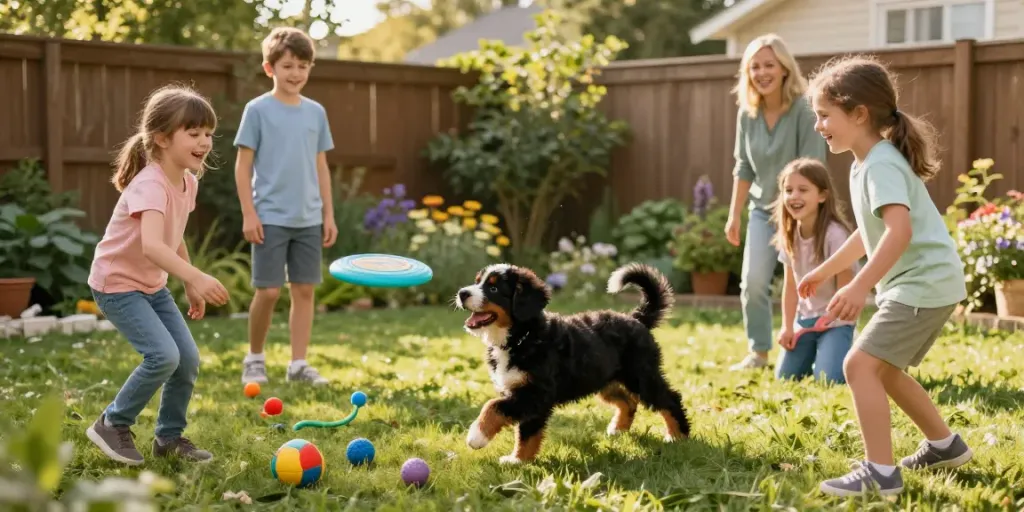
This breed generally gets along well with children and other pets, demonstrating a gentle nature and playful demeanor. Early socialization is vital to ensure that they develop into well-rounded adults. Supervised play is recommended, especially when introducing a Miniature Bernedoodle to younger children or unfamiliar pets.
Common Behavior Issues to Address
While generally affectionate, Miniature Bernedoodles can exhibit common behavior issues such as barking, jumping, and separation anxiety if not trained properly. These behaviors can often be managed through positive reinforcement techniques, consistent training, and providing mental stimulation to keep them engaged.
Grooming and Shedding Needs for Miniature Bernedoodles
Grooming is one of the primary considerations for Miniature Bernedoodle owners, as their coat types can greatly influence shedding and care routines.
Understanding Shedding Levels
Miniature Bernedoodles are often advertised as low-shedding dogs due to their Poodle lineage. However, shedding levels can vary significantly based on coat types. Some Miniature Bernedoodles may shed more than expected, particularly those who inherit a coat that is straighter or fluffier.
Grooming Routines and Best Practices
To maintain a healthy coat, regular grooming is essential. A grooming routine typically includes:
- Brushing at least 3 to 4 times per week
- Regular nail trimming
- Routine ear cleaning
- Bathing every 4 to 6 weeks
- Periodic professional grooming
Maintaining a consistent grooming routine can help prevent matting and keep your Miniature Bernedoodle looking its best.
Coat Types and Maintenance Requirements
Miniature Bernedoodles come in various coat types, including curly, wavy, and straight. Each type requires different levels of maintenance. Curly coats often require more frequent grooming to prevent matting, while wavy coats may need less attention but still require regular brushing to remove loose hair.
Health Considerations and Lifespan of Miniature Bernedoodles
Potential owners should be aware of various health considerations specific to Miniature Bernedoodles to ensure a healthy and happy life for their pets.
Common Health Concerns in Mini Bernedoodles
Like many mixed-breed dogs, Miniature Bernedoodles can inherit health risks from either parent breed. Common health concerns may include hip dysplasia, eye disorders, and specific genetic conditions. Responsible breeding practices can help mitigate some of these risks.
Lifespan Expectations and Health Management
Miniature Bernedoodles typically have a lifespan of 12 to 16 years, depending on genetics, diet, exercise, and veterinary care. Regular check-ups and preventive care are essential for maintaining their health throughout their life.
Choosing a Healthy Miniature Bernedoodle Puppy
When selecting a Miniature Bernedoodle puppy, ensure you choose a reputable breeder who conducts health screenings and provides details about the puppy's parentage. This due diligence can significantly reduce the risk of inherited health issues.
Daily Care and Training for Miniature Bernedoodles
Understanding how to meet the daily care and training needs of a Miniature Bernedoodle is crucial for ensuring a well-adjusted pet.
Exercise and Mental Stimulation Needs
Despite their manageable size, Miniature Bernedoodles require regular exercise and mental stimulation to thrive. Daily activities may include walks, playtime, and engaging toys to keep their minds active. Aim for at least 30 to 60 minutes of activity per day.
Training Tips and Techniques for Success
Miniature Bernedoodles respond well to positive reinforcement training methods. Consistency, patience, and short training sessions can lead to successful outcomes. Early training on basic commands and socialization is essential to develop good behavior.
Feeding Guidelines for a Healthy Diet
Providing a balanced diet is vital for the health of your Miniature Bernedoodle. Choose high-quality dog food that is appropriate for their age, size, and activity level. Monitoring portion sizes and ensuring fresh water is always available are key aspects of responsible feeding.
What Size Can You Expect?
When it comes to size, Miniature Bernedoodles fall within a range of 20 to 45 pounds. Variability in size can occur due to parent size and generation, so it's essential to manage expectations when selecting a puppy.
Are Miniature Bernedoodles Good with Kids?
Yes, Miniature Bernedoodles are generally good with children. Their gentle temperament and playful nature make them suitable companions for families, although supervision during playtime is critical to ensure safety.
What to Do If Your Miniature Bernedoodle Is Not Eating?
If your Miniature Bernedoodle is not eating, it’s important to monitor their behavior and health closely. Sometimes, changes in appetite may indicate stress or health issues. If the problem persists, contact your veterinarian for advice on how to proceed.
Conclusion
Choosing a Miniature Bernedoodle can be a rewarding decision for families looking for a loving and trainable companion. By understanding their size, temperament, health considerations, and grooming needs, potential owners can make informed choices that align with their lifestyle. With proper care, training, and attention, Miniature Bernedoodles can thrive and bring joy to their families for years to come.
FAQ
- What is a Bernedoodle dog?
- How big do Mini Bernedoodles get?
- Are Mini Bernedoodles good with kids?
- Are Mini Bernedoodles aggressive?
- Are Mini Bernedoodles healthy?
- Do Mini Bernedoodles shed a lot?
- How long do Mini Bernedoodles live?
- Are Mini Bernedoodles high maintenance?
- Why is my Mini Bernedoodle biting?
- Why does my Mini Bernedoodle shed?
- How do you stop a Mini Bernedoodle from barking?
- What should you do if a Mini Bernedoodle is not eating?