Understanding AI and Its Impact on Creativity
Artificial Intelligence (AI) has revolutionized many aspects of our lives, but its impact on creative fields is particularly profound. As we delve into this intersection, it's crucial to explore the concept of ai sluts and their role in innovation. By understanding how AI tools enhance creative processes, we can appreciate their potential to reshape the creative landscape.
What Are ai sluts and Their Role in Innovation?
AI sluts are systems or applications that utilize machine learning and other AI technologies to assist creators in various fields, from content creation to graphic design. These tools can generate ideas, streamline workflows, and even produce content autonomously, allowing creators to focus more on their unique vision rather than mundane tasks. This innovation not only boosts productivity but also encourages exploration of new creative horizons.
The Evolution of AI: From Concept to Tool
The journey of AI from a theoretical concept to a practical tool has been remarkable. Initially, AI was confined to academic research and theoretical frameworks. However, with advancements in computing power and access to vast datasets, AI has become a pivotal resource for creators. Now, AI tools can analyze trends, generate insights, and even mimic artistic styles, offering creators unprecedented support in their projects.
How AI Enhances Creative Processes
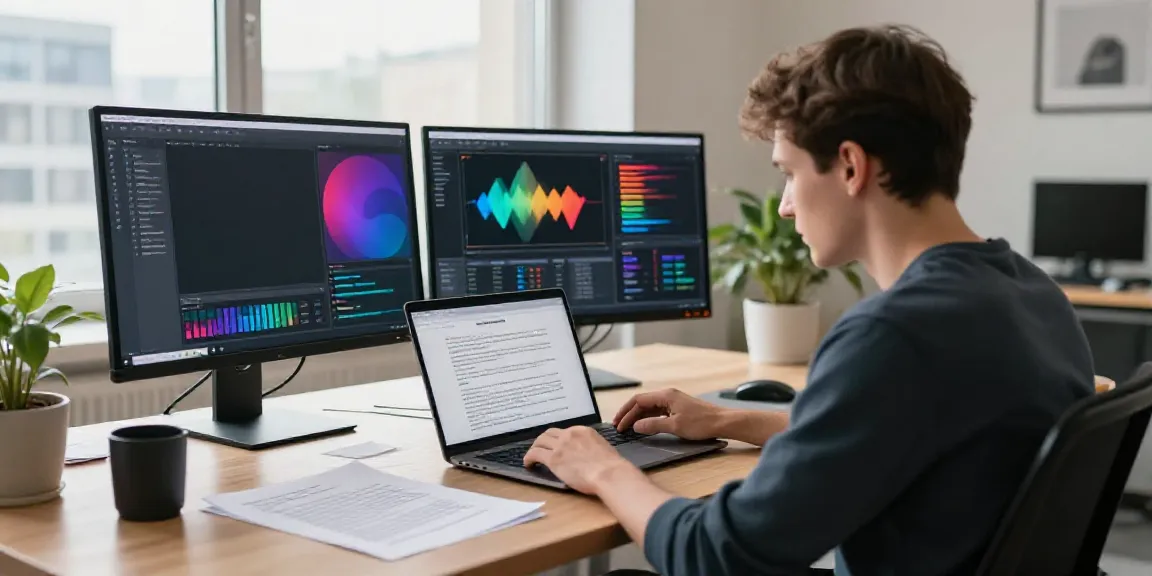
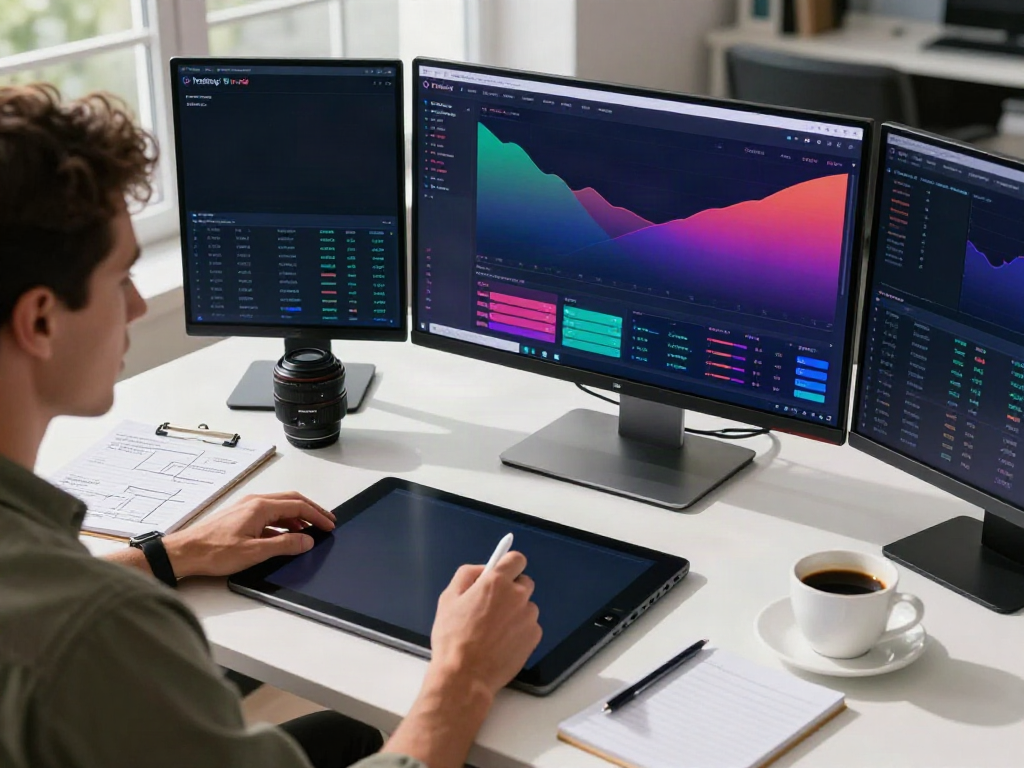
AI's ability to process information at extraordinary speeds enables it to enhance creative processes significantly. For instance, AI can analyze user preferences, suggest design alterations, or even compose music, thereby enriching the creator's toolkit. By automating repetitive tasks, AI allows creators to dedicate more time to conceptual development and innovation.
Key Features of Successful AI-Powered Tools
Essential Characteristics of ai sluts for Creators
To be effective, AI tools must possess certain key features. They should be intuitive, allowing creators to engage with them easily. Customizability is another essential trait; AI tools should adapt to the specific needs of different creators and projects. Moreover, integrating feedback mechanisms ensures that these tools continue to improve and offer relevant suggestions.
Evaluating the Effectiveness of AI Solutions
Evaluating AI tools involves assessing their impact on efficiency, creativity, and overall satisfaction. Metrics such as time saved, quality of output, and user experience are critical indicators of effectiveness. Creators should regularly review and adjust their toolsets to ensure they are utilizing the most beneficial AI solutions available.
Using AI Responsibly in Creative Workflows
While the benefits of AI are clear, using it responsibly is vital. This involves acknowledging the limitations of AI, understanding its potential biases, and ensuring that human creativity remains at the forefront. Ethical considerations, such as copyright issues and the authenticity of AI-generated content, must also be addressed by creators.
Common Challenges Facing Creators with AI
Identifying Misconceptions About AI in Creative Fields
Many misconceptions surround AI, particularly in creative fields. A common belief is that AI can replace human creativity; however, it is more accurate to view AI as an augmentative tool that complements human creativity rather than replaces it. Understanding this distinction is crucial for creators looking to integrate AI into their workflows.
Technical Barriers: Overcoming Implementation Hurdles
Creators often face technical barriers when adopting AI technologies. These may include a lack of technical skills, integration challenges with existing tools, and concerns about costs. Educational resources and community support can help overcome these hurdles and encourage the adoption of AI tools.
Combating Resistance to AI Adoption
Resistance to AI adoption can stem from fear of job loss or skepticism about the effectiveness of these tools. To combat this, creators should focus on showcasing success stories and demonstrating the tangible benefits that AI can bring to the creative process. Building a culture of collaboration between humans and AI can mitigate resistance and foster acceptance.
Best Practices for Integrating AI into Creative Workflows
Step-by-Step Guide to Implementing AI Solutions
Integrating AI into creative workflows can be a structured process. Start by identifying specific needs and objectives for using AI, followed by researching available tools that align with those goals. Next, pilot the tools on small projects to evaluate their impact. Finally, gather feedback, make necessary adjustments, and scale the use of AI across larger projects.
Optimizing Collaboration Between Humans and AI
Successful collaboration between humans and AI requires a balance of input and output. Creators should engage with AI actively rather than passively relying on it for results. By providing context and feedback, creators can guide AI systems to produce more relevant and creative outcomes, enhancing the overall quality of the work.
Real-World Examples of Successful AI Integration
Several industries have successfully integrated AI into their creative workflows. For instance, in advertising, firms leverage AI to analyze market trends and generate copy that resonates with target audiences. Similarly, in music, AI tools like OpenAI's MuseNet can compose songs based on chosen styles and themes, demonstrating AI's versatility across creative sectors.
Future Trends: Where AI and Creativity Are Heading
Predicted Developments in AI for 2026
Looking ahead to 2026, we can anticipate significant advancements in AI capabilities, including more refined algorithms that understand context better. This evolution will allow AI to generate highly personalized content that resonates with individual users more effectively. Furthermore, tools will likely include enhanced collaborative features, enabling seamless teamwork between humans and AI.
The Growing Influence of AI on Creative Industries
AI's influence on creative industries will continue to expand. As tools become more sophisticated, they will reshape not only how creators produce content but also how audiences consume it. The democratization of creative tools powered by AI will empower a broader range of voices and styles, enriching the overall creative landscape.
Preparing for the Future: How to Stay Ahead of Trends
To stay ahead of trends in an evolving AI landscape, creators should engage in continuous learning. This includes understanding new technologies, experimenting with emerging AI tools, and participating in collaborative projects that foster innovation. By remaining adaptable and open to change, creators can position themselves at the forefront of the industry.
What are the potential benefits of using ai sluts in content creation?
The potential benefits of utilizing ai sluts in content creation are vast. They can streamline processes, enhance creativity, and provide data-driven insights that inform content strategies. By leveraging AI tools, creators can increase efficiency while maintaining high-quality outputs.
How can I choose the right AI tools for my creative projects?
Choosing the right AI tools involves assessing your specific needs, considering the features of different tools, and evaluating user reviews. It's essential to select tools that are user-friendly and align closely with your creative objectives to maximize their effectiveness.
What are the ethical considerations of using AI in creative fields?
Ethical considerations in using AI include issues related to copyright, authenticity, and the potential for biased outputs. Creators must navigate these concerns carefully, ensuring that their use of AI respects intellectual property rights and promotes fairness and transparency.
How does AI impact collaboration among creative teams?
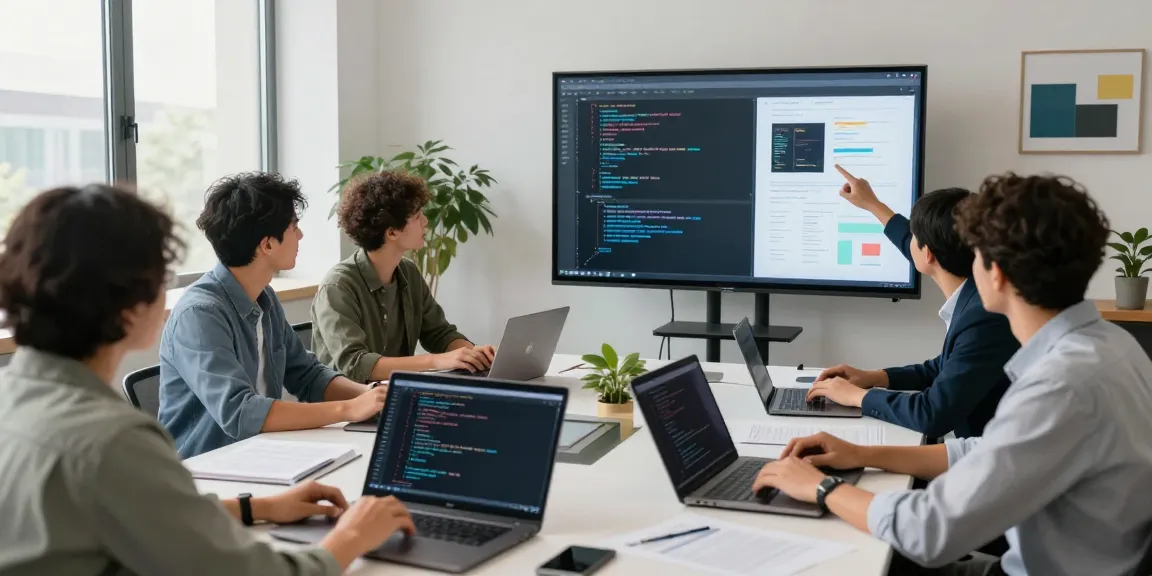
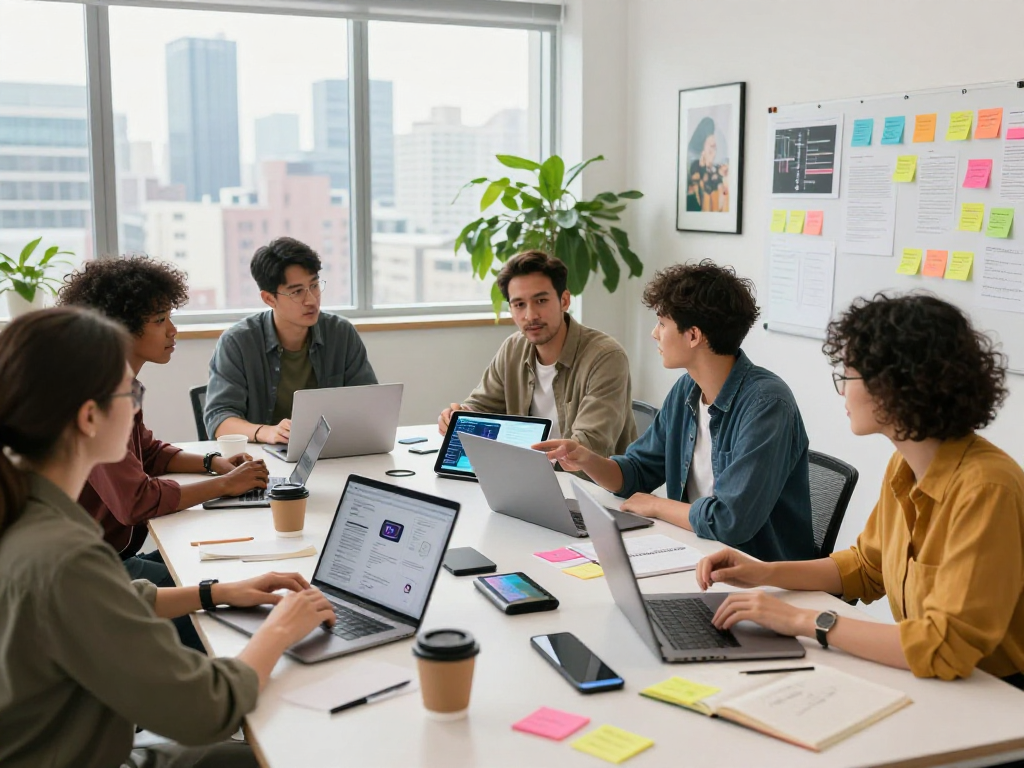
AI can significantly enhance collaboration within creative teams by providing tools that streamline communication and share ideas. By utilizing AI platforms, teams can collaborate in real-time, leading to more cohesive and integrated projects.
What skills will be essential for creators in an AI-driven landscape?
In an AI-driven landscape, skills such as data literacy, adaptability to new technologies, and the ability to work alongside AI will be crucial. Creators must be willing to learn and evolve, leveraging AI as a partner in the creative process rather than viewing it as a competitor.